Problem Domain
As with all great services, we started off by analyzing what was wrong with the way fruits were being delivered to offices and what particular pain points customers and end-users were having. When considering companies, we found that there was usually no variety of healthy snacks in the office, leaving personnel unsatisfied and without the nutrition they need. Employees would have to go out to the store and buy healthy snacks. If fruits were delivered to the company, there was usually no change in variety, and the fruit might not be ripe or ready to eat, not to mention the potential for it to be overpriced or of poor quality. In addition, the fruit would usually be delivered in big cardboard boxes, which ultimately took up a lot of space and filled up the office cardboard waste bins.
From the consumer's point of view, having to go to the grocery store and carry heavy bags is a burden in terms of time and energy. In addition, people are usually not that familiar with fruits they are not acquainted with, which decreases the variety people are willing to try. Eating more healthily requires a lot of dedication and can be difficult for busy people. Furthermore, consumers may not know what fruit is in season, meaning it can be challenging to know what to buy and when to buy it to get the freshest and most nutrient-dense produce.
Our mission
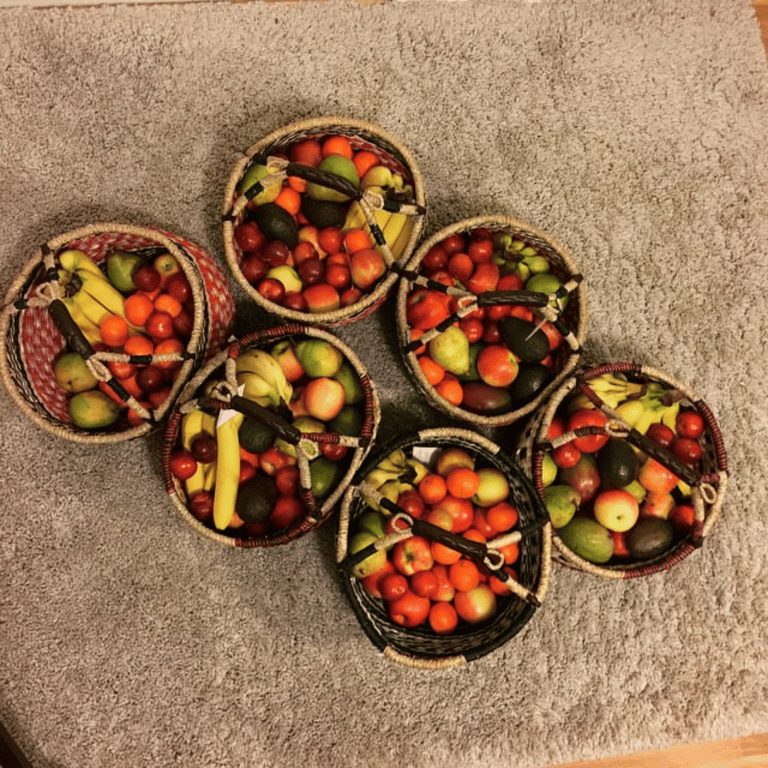
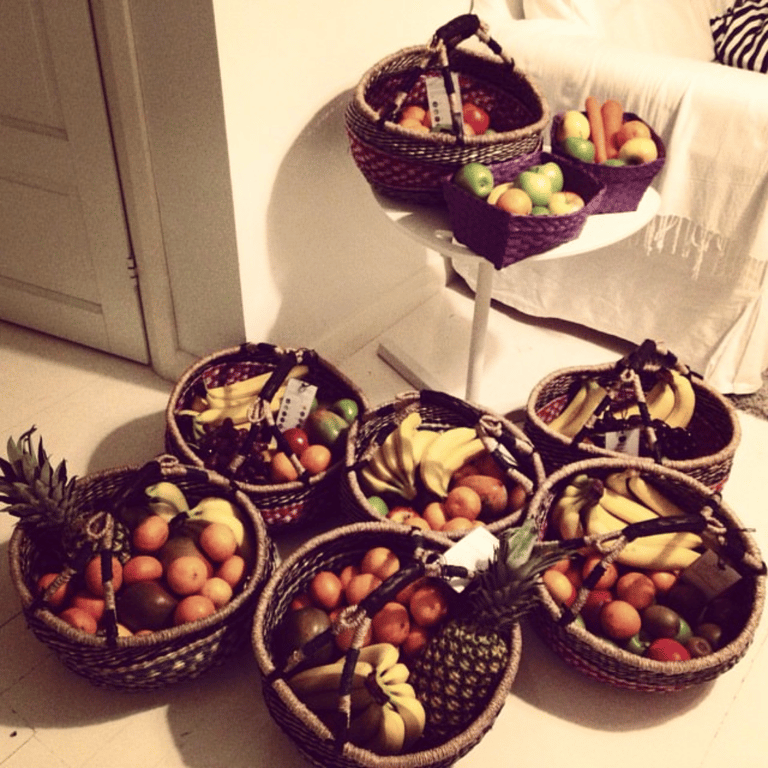
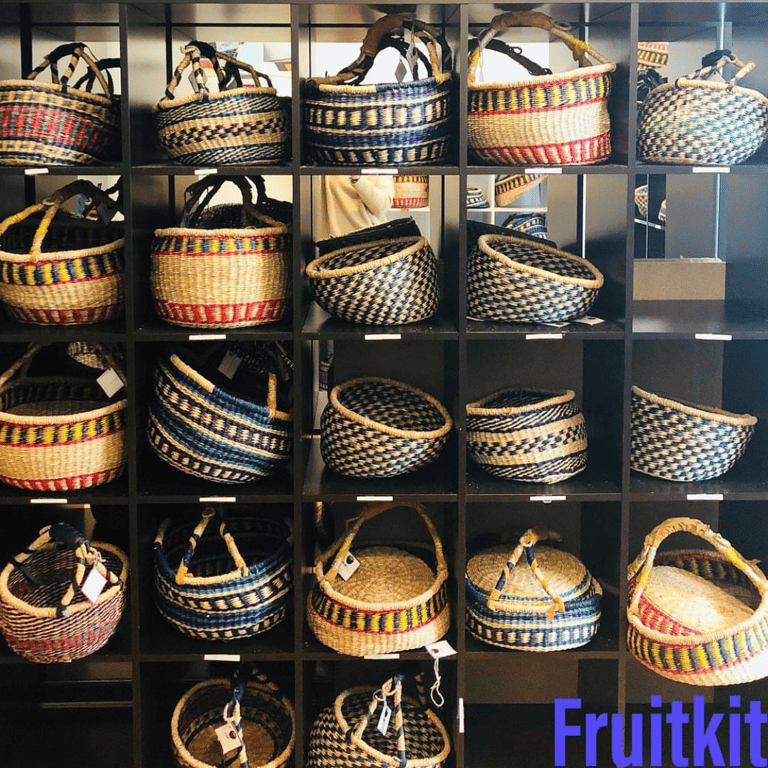
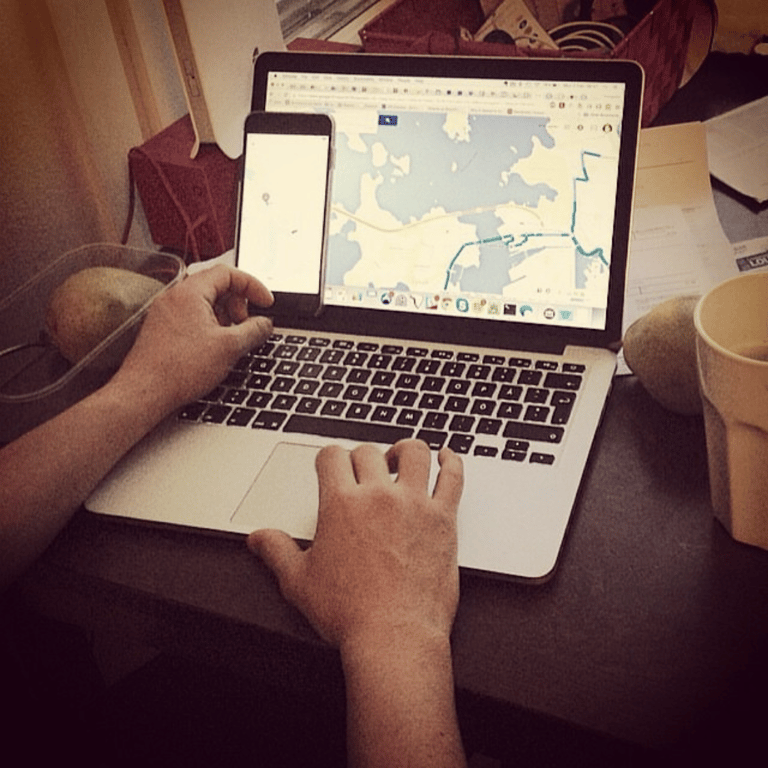
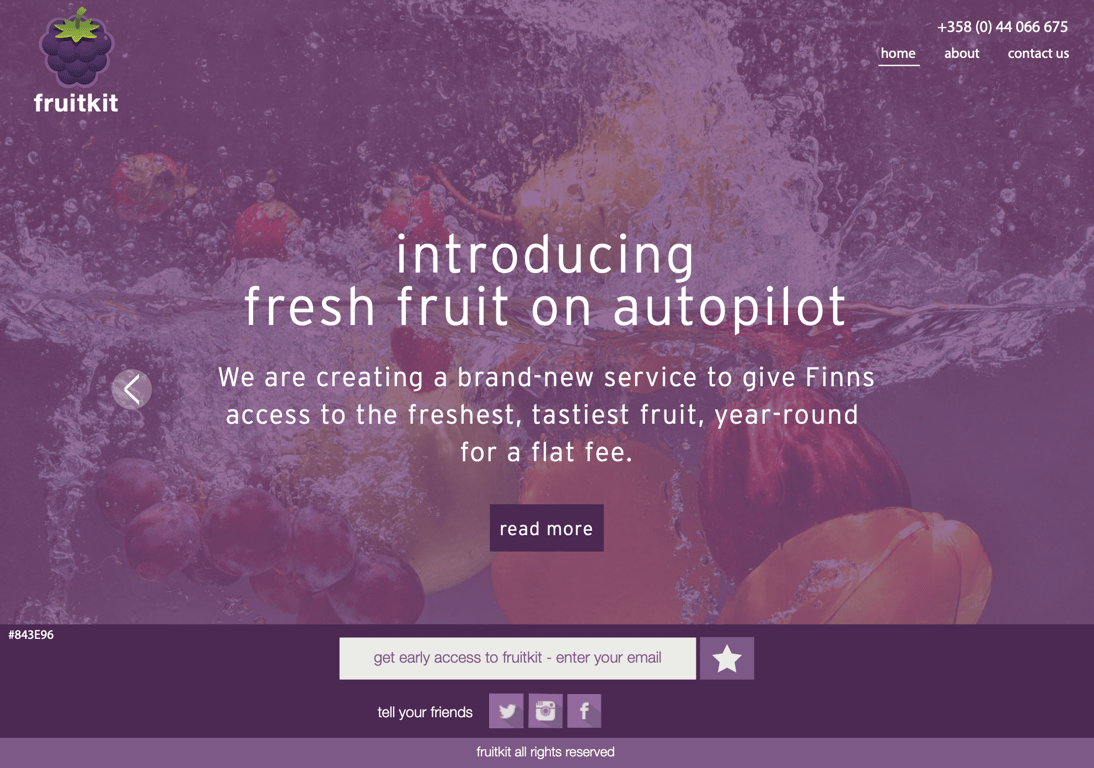
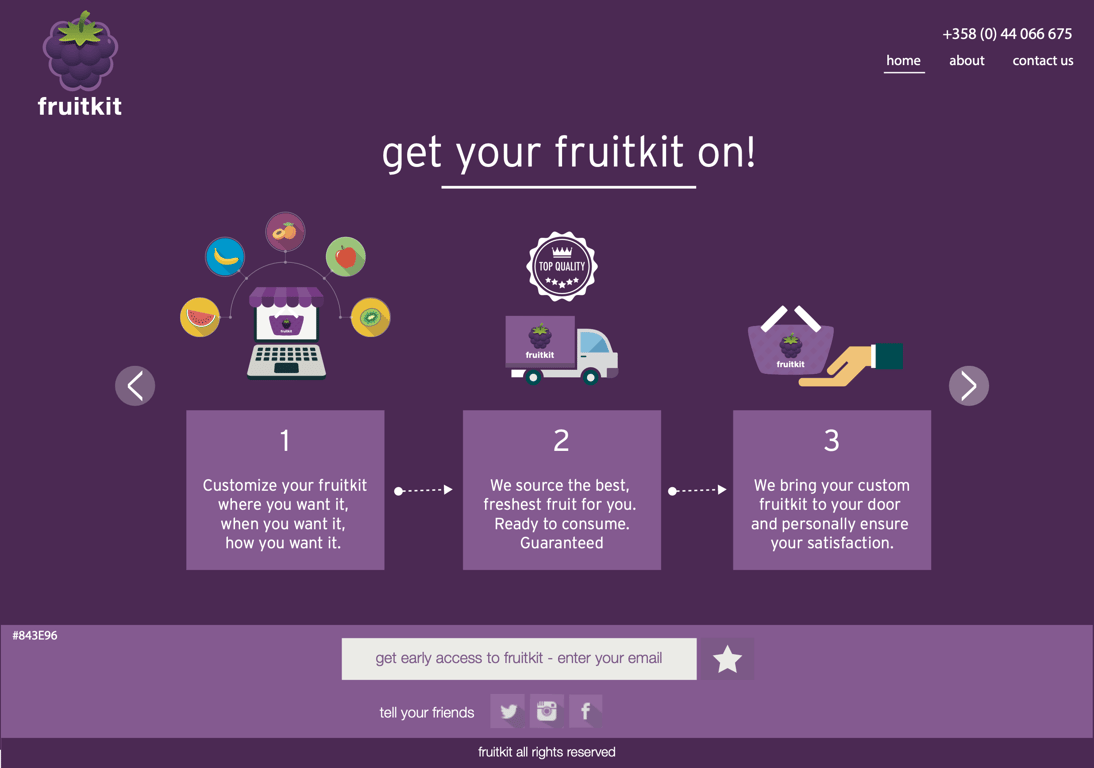
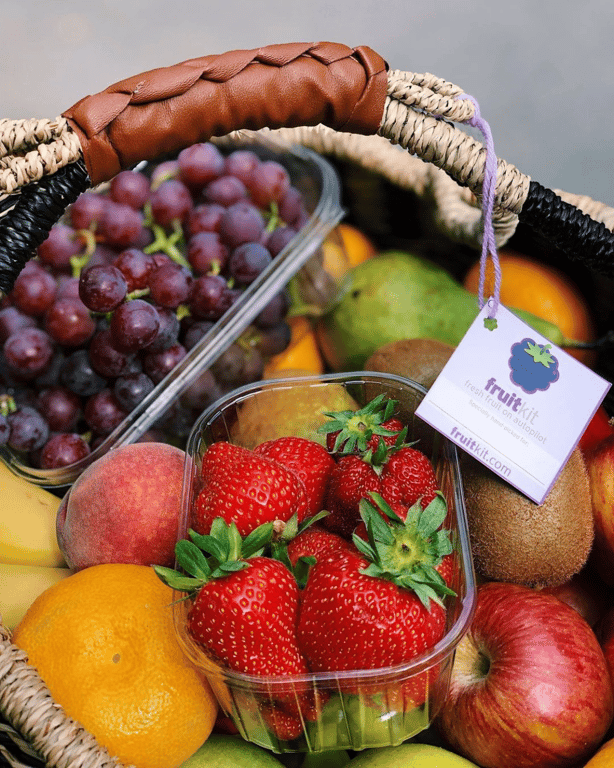
We wanted to create a service that makes it easy to order fruit and is a great way to provide customers with a convenient, efficient way to access the produce they need. It should be easy for customers to give feedback on what types of fruit they like and what new varieties they may be interested in trying. To reduce waste, we could use reusable baskets for delivery and have our team collect any uneaten fruit to be recycled. We envisioned our own delivery platform to ensure efficient route optimization and reduce costs. To guarantee the quality of service, we could monitor the delivery times to ensure our customers have the best experience possible. A superior customer experience and a user-centric approach would make us superior to competitors. And honestly, we had nothing to lose.
The Start
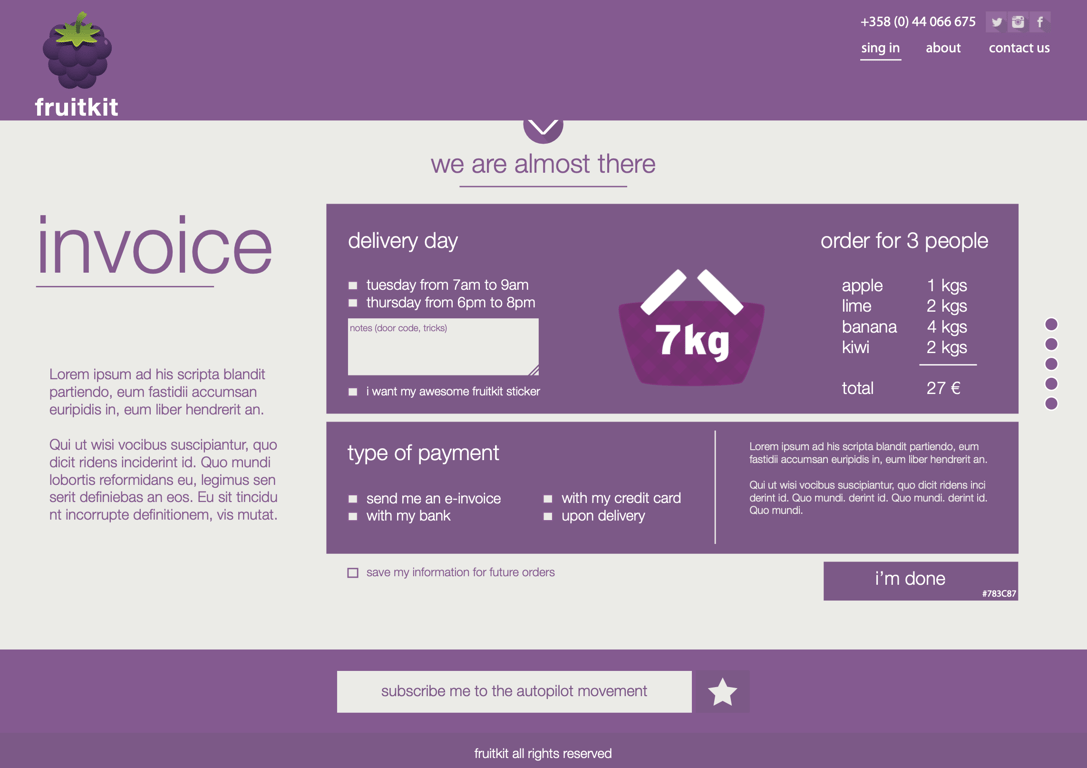
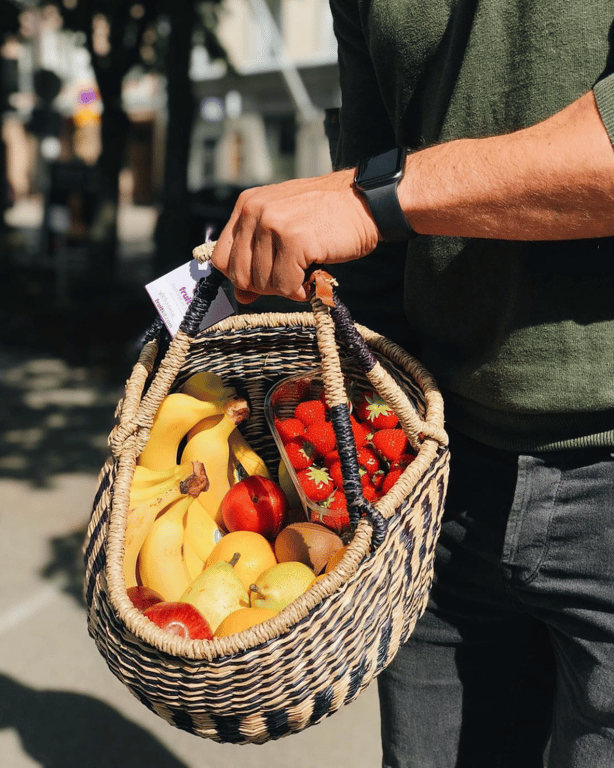
We were a band of three young people: my roommate, his friend, and myself. The three of us had worked in office environments before, so we knew what to expect in the business world. We had all been born or raised in tropical climates, so we were familiar with finding the freshest and most flavorful produce. With a great deal of enthusiasm, we contacted companies our friends worked for and were able to acquire a few customers. We woke up early on a crisp October morning in 2014 and made our way to the wholesale market. We eagerly wiped the fruits clean to ensure they were presentable and packed them into baskets. Then, we began our journey to visit our first customers. After our deliveries were complete, we sent out our first invoice to cover the bill for our purchases. We were thrilled to have begun our journey and were grateful that our first customers supported us.
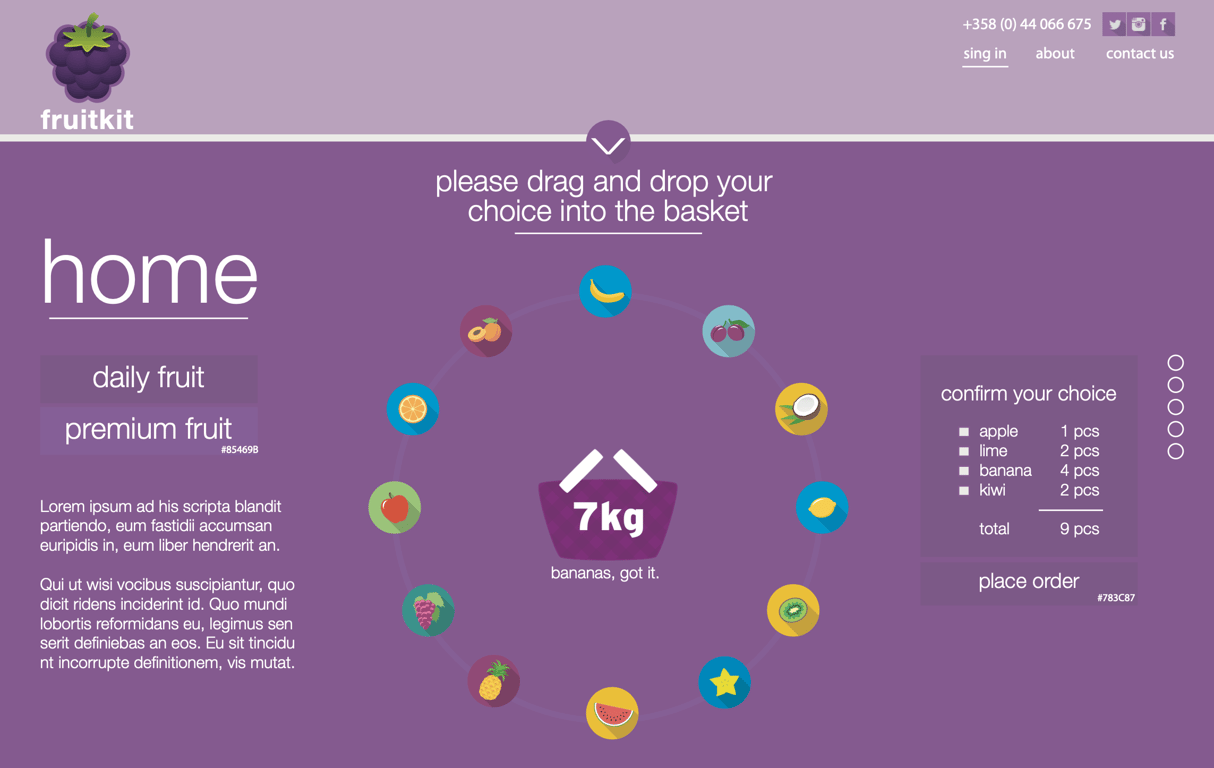
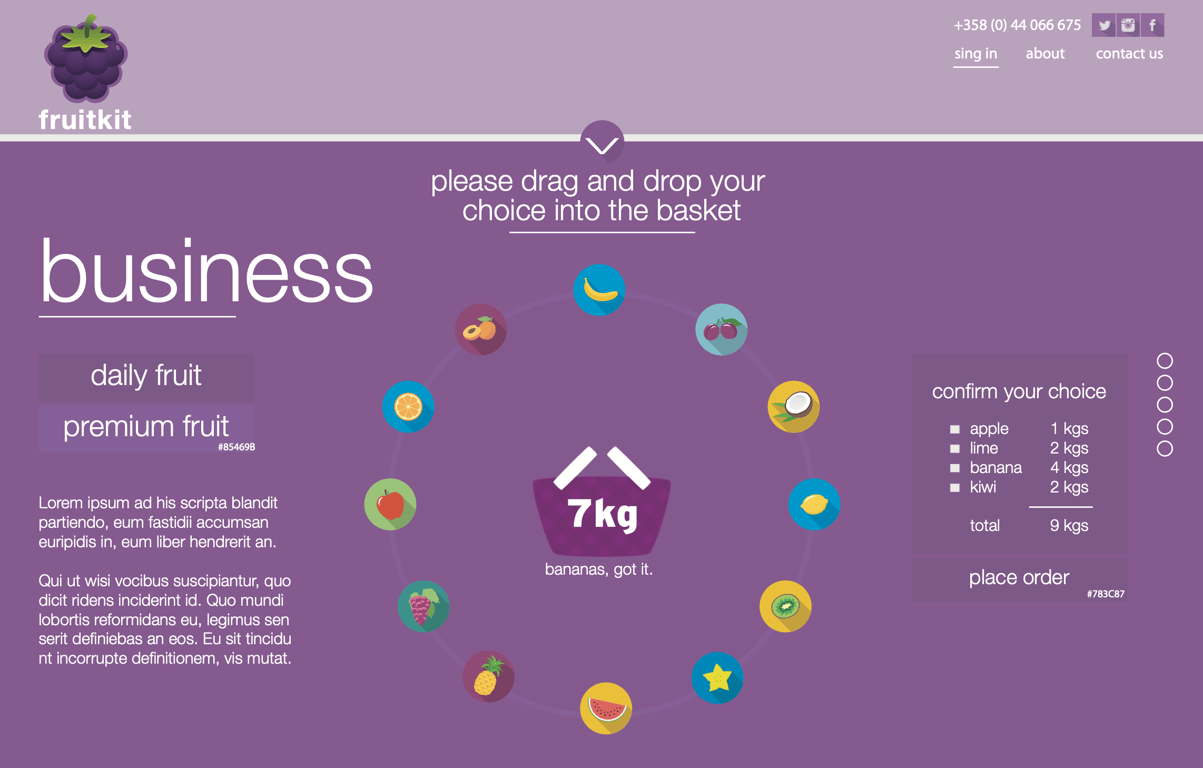
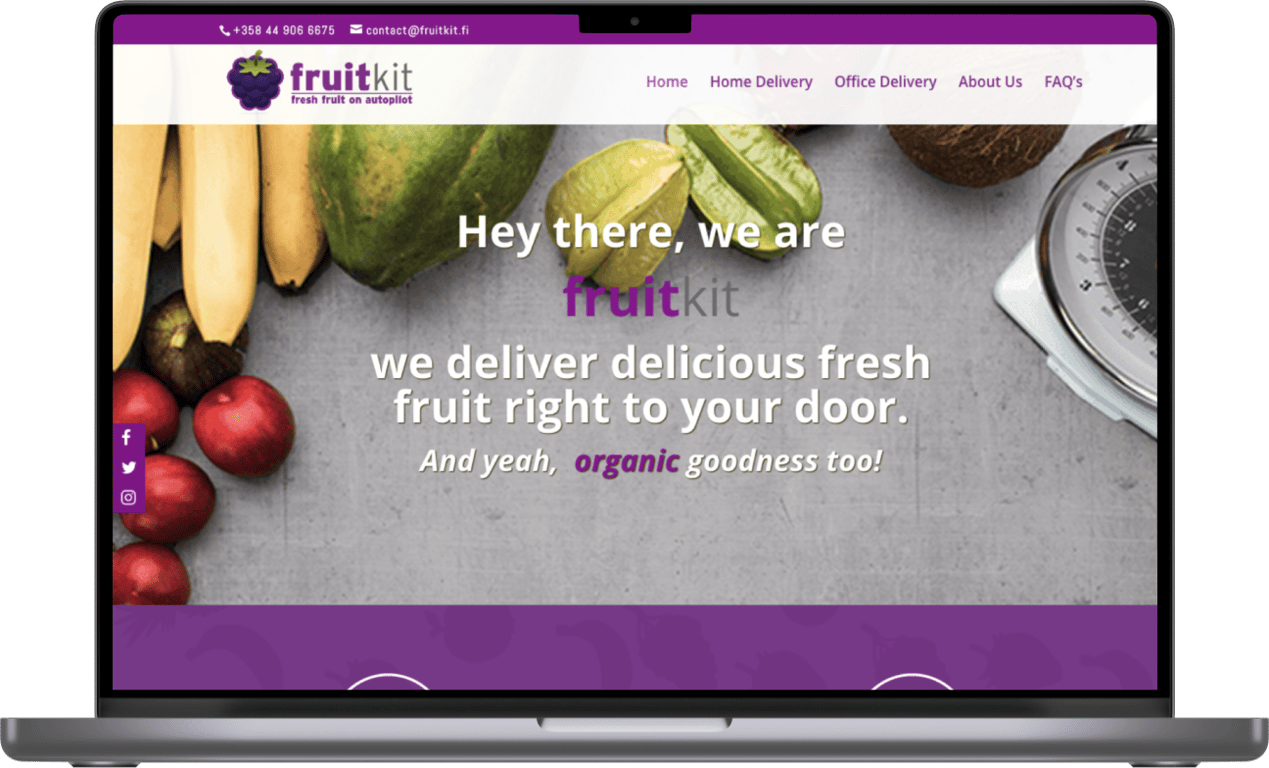
The initial response to our new concept was overwhelmingly positive. People were ecstatic to have the convenience of fresh produce delivered to their homes and offices twice a week. We divided the work among ourselves to ensure that each task was done correctly and efficiently. One of us took care of marketing and advertising, another managed the daily operations, and I was in charge of the customer experience, website design, and the development of a prototype for delivery details for the drivers. We were operating out of our 2-bedroom apartment, and it became apparent we would need an office soon enough.
The Rise
Over the years, our business steadily grew, and we reinvested our revenue into the company, allowing one of us to dedicate our time to expanding the business. We eventually grew to a size where we could afford to hire more employees to help us pack and deliver the fruits to our customers. We were very successful, and at our peak, we made over 200,000 EUR in revenue, with major tech brands as our customers, proving our dedication to the industry and the quality of our products. Our growth allowed us to expand further and be seen as a reliable and professional business in the market.
The Fall
Similar to many, the pandemic was the root of our downfall. We faced a brutal reality: our business model was no longer viable in a world where offices were suddenly closed. We worked diligently to develop creative solutions, exploring various ways to pivot the company. But despite our best efforts, we concluded that, after six years of steady growth, it was time to pursue a different path. Consequently, we decided to sell our business, and our competitor, Fruitbox, snapped it up. At that moment, it felt like an anti-climax to our run, but it was ultimately the right choice.
Conclusions
We were idealistic and had plenty of time and enthusiasm at the start. We set out on a mission to create something, and we not only achieved our goals but exceeded them. I learned a lot about the complexities of running a business, from the nitty-gritty details, like office maintenance and company taxes, to the larger-scale elements, such as customer acquisition and retention. I had the opportunity to get my hands dirty and experiment with various ideas and strategies to see which ones yielded the best results.
The post-pandemic world has changed drastically, and the way that offices operate has been altered with the introduction of hybrid work models. Furthermore, home delivery of groceries has become much more commonplace than it was a few years ago. We were lucky to have had the timing right when starting our business; we knew that a user-centric approach and top-notch customer service would set us apart from our competitors.
I also learned a lot of difficult lessons about trust, loyalty, and being mindful of how we allocated our company's financial resources. Of course, looking back, we should have done plenty of things differently, but such is always the case in hindsight.